
Introduction to Home Styling Foundations: The Art of Interior Decoration.
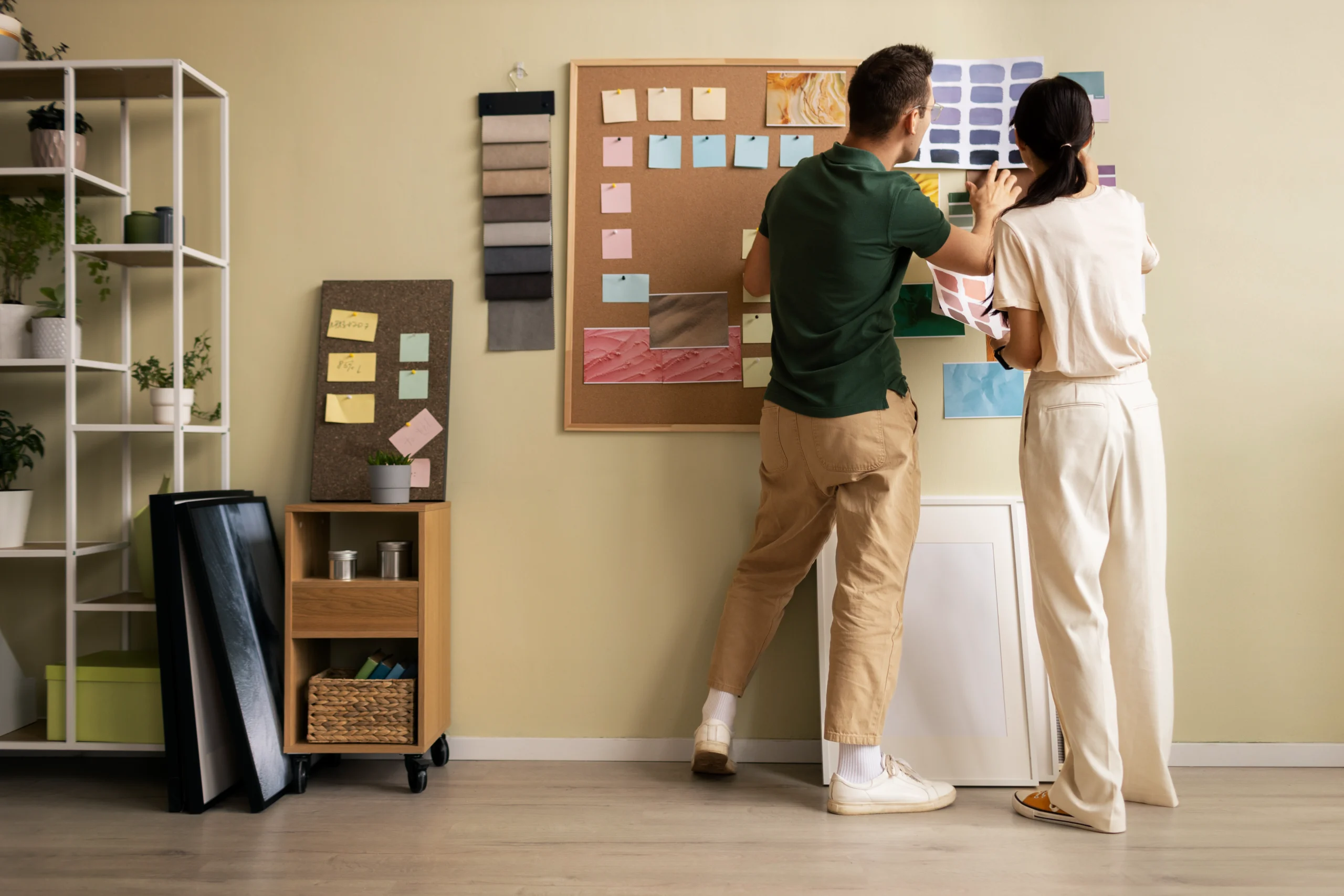
The interior decoration commences by recognizing the fact that each home has different needs, planning and character. One size cannot be capable of accommodating all spaces since each household operates in different ways and each person differs in tastes, habits and expectation of the house they live in. The idea of styling does not imply imitating the images in magazines and social media and trying to replicate them to the letter. Even such photos usually depict fictional living rooms instead of actual houses. Real interior decoration is learning the basic principles and putting them into consideration in a manner that would fit your lifestyle, habits and space available. The general feeling about interior decoration is that it needs huge budgets or professional skills. As a matter of fact, the art of good home styling is based on consciousness, observation, and refinement. By knowing the principles of decoration, people can have the courage to make their decisions wiser and produce what they consider comfortable, balanced and functional enough without wasting money.
Space is one of the most significant bases of home styling. Each room is of size, shape, ceiling height, natural lighting patterns, and architecture, which affect the manner of furnishing and decoration.Looking for the best online casinos in Canada, we’ve reviewed the best online casino sites Canada has to offer, featuring secure platforms, top games, and fast payouts. Even when choosing furniture or any decorative material it is important to see the movement of people within the space and also the real usage of the room on a day to day basis. The layout choices of a living room used as a relaxing room will not be the same as having a living room that is used to entertain guests. A bedroom as a place to rest in must be relaxed and clear whereas workspace must be concentrated and orderly. Functional awareness avoids congestion, clumsy designs and space wastage. Breathing room is achieved through good styling. It enables furniture and decor to coexist in the space amicably rather than being a contender of attention.
Another necessary aspect of interior decoration is color awareness. Colors affect the mood, the degree of energy, and the room size. Light colors usually make the spaces broader, brighter and more transparent. Darker colors can also be very helpful in their application by providing depth, warmth, and coziness. Harmony is achieved by simple selection of color palette. Boringness is not necessary with a limited palette. It refers to the choice of a limited number of colors that complement one another and repeating them all over the space in terms of walls, furniture, textiles, and accessories. Excessive variety of colors which are not relevant to each other may cause a room to look messy and aesthetically exhaustive. The combination of colors is made harmonious, and separate ornamentation elements are made to shine on their own.
The choice of furniture must be based on proportion, comfort and functionality. Large furniture may take up too much space in a room and limit movement. Excessively small furniture may seem lost and displaced. Concept of scale assists in creating balance. The room should also have furniture that will be in line with the use of that room. As an illustration, sitting in a living room is supposed to invoke communication and rest. Storage furniture must be practical and also integrate into the style. Appearance is no more important than comfort. An uncomfortable chair is hardly ever used which is beautiful. Considerable furniture selection enhances the look and the everyday use.
Lighting is a very influential interior decoration. Natural lighting, overhead lighting, task lighting and accent lighting all have an effect on atmosphere. A room with good lighting is spacious and inviting. Lighting may be poor effecting a well decorated space to look dull and heavy. The flexibility is achieved by layered lighting that can be used in different combinations to be applied at the various times of the day and activity. The evening has a way of making people feel at home through soft lighting and during the day, productivity is supported by the use of brighter lights.
There is also texture and materials used in home styling. The combination of smooth and rough, soft and hard material, matte and glossy is a visual interest. Rugs, curtains, cushions and throws give the interior a warm and comfortable feel. Wood, cotton, linen and other natural materials are used to create the grounded feeling. The use of texture helps to make spaces not flat or lifeless.
Decoration of interior is not a single project. It changes with change in needs, expansion in family, and also in tastes. Even minor changes with time result in significant change. It can be renovated with a single change, changing the layout, or a new color accent.
A decorated house promotes coziness, self-realization and everyday pleasure.