
Color Coordination: Building an Harmony Life and Mood.
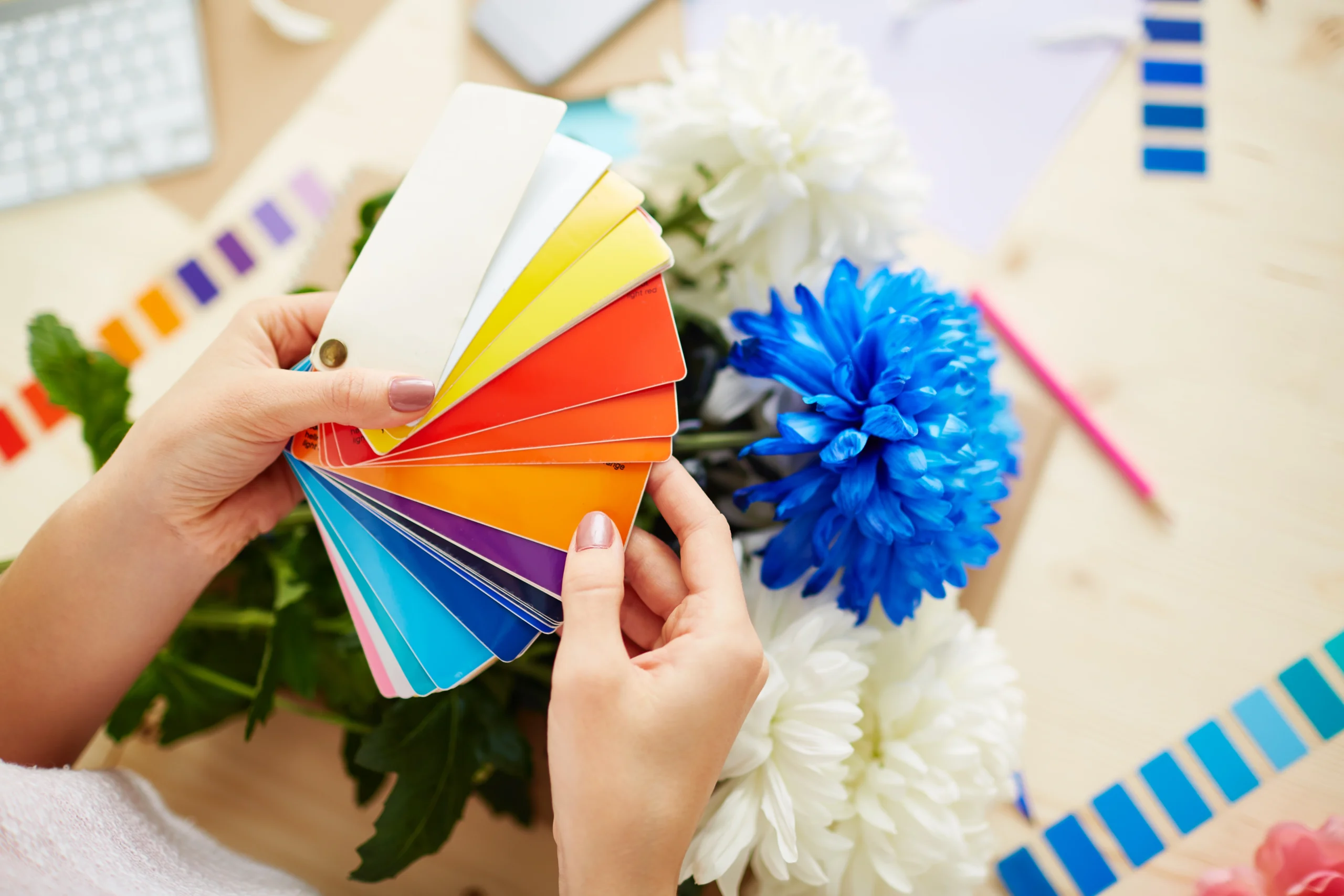
One of the most powerful aspects of interior decoration is color coordination since color determines the sense of space, both emotional, psychological and visual. Colors applied in the interior of a home influence feelings, energy, comfort, and even the alleged size or smallness of a room. Most individuals make decisions based on color, fashion or the color that appears appealing in the store without thinking about how the color interacts with the other things in the house and how the color will feel after some time. Considerable use of color is not a fashion. It concerns knowing the relationship of various colors with each other and making choices that allow building a balance, comfort, and harmony. A room can be harmonious and relaxing as opposed to being disjointed and intimidating when the colors are chosen thoughtfully.
The first step to having color knowledge is to know simple color relationships. The colors can naturally match and form a feeling of harmony, whereas some contrast and make the energy. Personality and visual interest are added with the help of accent colors. This style is not boring. It is deliberate and premeditated.
Space is also perceived based on color. Light colors have a higher reflection of light and are more likely to make the rooms look bigger, brighter and open. Darker colors are taking in the light and can turn the spaces not only smaller but also more close and comfortable. The two methods might be useful in an intentional manner. It is in the smaller rooms that lighter tones tend to give openness. Darker colors can be used in big rooms and make them warmer and more detailed. Knowledge of this connection will help homeowners to consider color as a tool of design and not as a decorative addition.
The various rooms enjoy different color moods. Bedrooms can also be made calmer in a soft, muted tone of light blues, greens, light grays or warm and neutral ones. Warm and welcoming tones may be used in the living rooms to relax and have a conversation. Light or clean colors are commonly refreshing to kitchens. Neutral or slightly stimulating colors may be helpful in workspaces and help focus and enhance productivity. There exists no right or wrong option. The trick lies in the selection of colors that can foster a purpose of the space.
Walls are not the only areas of color coordination. The overall palette is achieved with furniture, rugs, curtains, cushions, artwork, bedding,Imagine changing your life overnight win a million dollars Enter now!One chance can make you the next big winner. decorative objects and accessories. When the same tones or the complementing shades are replicated by these elements, the space becomes cohesive. The incongruent colors can turn a room into a mess. Repetition brings about rhythm and flow thus making a space look deliberately constructed.
The taste in colors is subjective. Trends change quickly. When one selects colors that he or she truly likes, it brings comfort and pleasure in the long term.
Considerable color matching makes the balance of harmony, comfort and visuality.