
Furniture Placement: Generating Balance, Flow and Functioning.
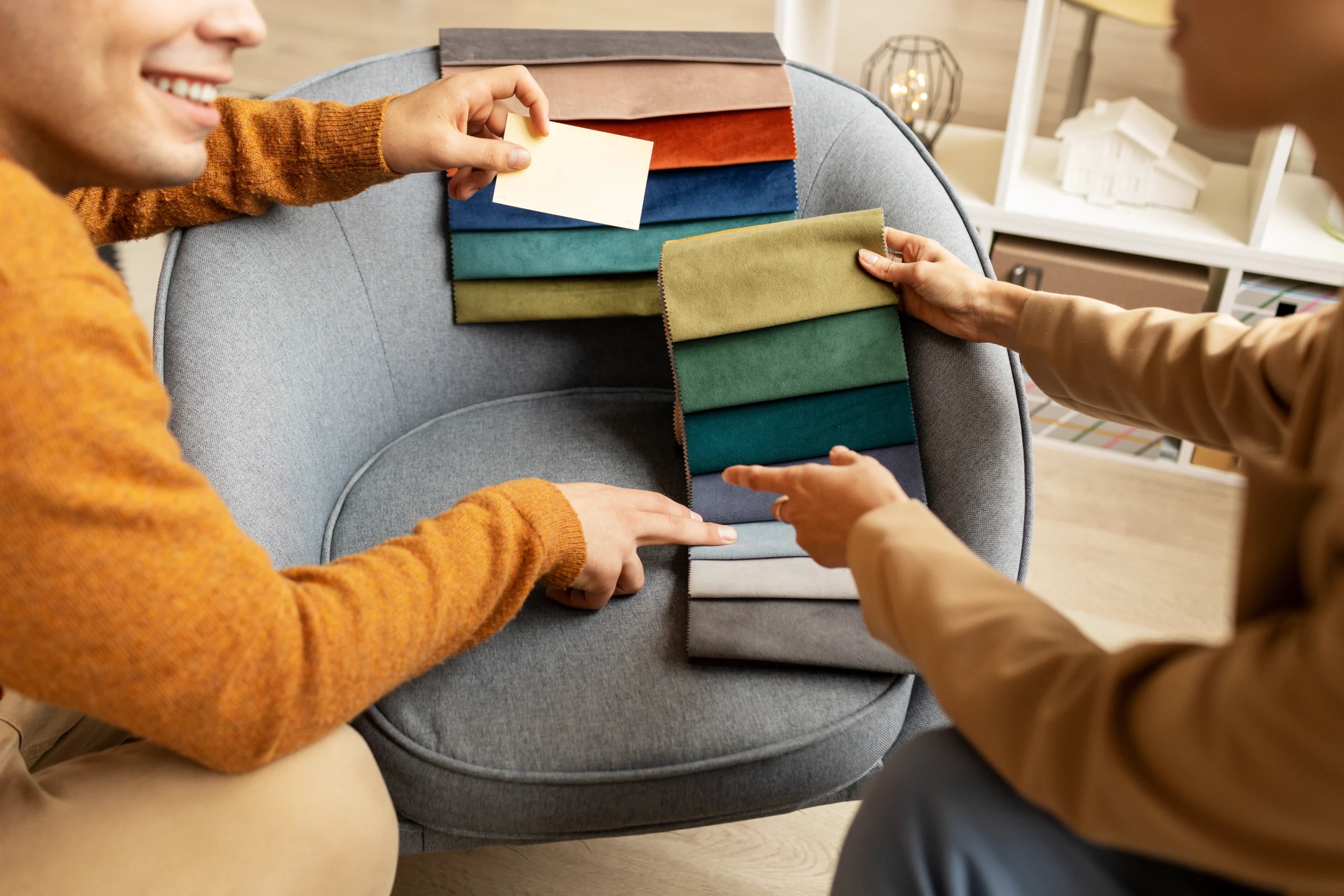
The placement of furniture has an important role in interior decoration since it directly influences the functionality of the space, the comfort with which people live in it and the aesthetics of the space. High quality or even expensive furniture can become awkward, cluttered, or not practical when it is not being placed in a planned way. Most individuals organize their furniture depending on what they have always done or what is convenient without thinking on how they utilize the space on a day to day basis. The consideration of furniture should not be to fill up every corner with furniture. It deals with establishing a plan that can facilitate day to day operations, ease of movement and visual appeal. Once one puts furniture in place with some thought, a room will be spacious, well organized, and inviting as opposed to crowded and disorganized.
The initial action to efficient arrangement of furniture is to know how a room will be used. Spaces have their main purpose and occasionally secondary purposes. A living room can be employed in relaxing, watching television, socialization, reading, and hosting visitors. A bedroom is mostly a resting room although it might also contain dressing, storage or work areas. The eating and gathering takes place in a dining room. Furniture placement in a room is also more rational when the room has a well-established main purpose. Furniture must not be in conflict with the main activity but complement it. As an example, sitting in a living room must promote socialization and comfort. Installation of furniture without regard to functionality is known to create inconvenience like blocked walkways, inconvenient sitting patterns, or empty space.
The other principle of furniture placement is balance. Balance defines the distribution of the visual weight of a room. Big furniture items like sofas, beds, wardrobes and dining tables have more visual weight than small furniture. Such heavier pieces ought to be matched with other pieces of furniture, lights, or other decorations such that the room does not feel weightier towards one side compared to the other. Balance does not necessarily have to be symmetrical. Symmetrical layouts may be used to provide a peaceful and organized look whereas asymmetrical layouts may be used to introduce a dynamic effect. The gimmick here is not to hit congested corners and vacant areas. A room that is in balance is stable and attractive to the eye.
Flow is the movement of people within a space. Easy and clear routes between doors, windows, and significant furniture objects should exist. Entrances, exits and routines that are frequently used should not be obstructed with furniture. In case of low flow, a room is cramped and irritating to navigate. The flow should be good so that individuals walk freely without having to run into furniture. Such minor changes as moving a chair or table a few inches can make a big difference in determining flow.
Scale and proportion are also necessary. Oversized furniture may fill a room and make it appear smaller than a room. Too small furniture may become lost and insignificant. It provides need to do with pieces that fit the size of the room. Proportion also works in relation to furniture to each other. Very small side tables and a big sofa can appear to be unbalanced. Cohesion is achieved by matching sizes and height.
Focal points should also be taken into account when furnishing a place. The central visual element of a room that can be referred to as a focal point is a window, fireplace, television, or statement artwork. The placement of furniture in the middle will bring structure and meaning.
The arrangement of furniture must be mobile. It can be useful to re-arrange the furniture every now and then to have a fresh look and discover new layouts. Homes evolve as needs change. The layouts are supposed to evolve.
Considerable arrangement of furniture enhances comfort, functionality and aesthetics.